Our strategic plan
Building Public Trust and Confidence 2030 reflects our vision, mandate, and purpose as we look down the road towards 2030. It articulates our unique value proposition, our cooperatively developed core values, service charter, and strategic pillars, and our 2026-2028 action plan.

Our regulatory role
As a health profession regulator, CHCPBC has specific regulatory duties, as prescribed by the Health Professions and Occupations Act. We develop and enforce the requirements, standards, and programs that ensure healthcare professionals practise competently and safely throughout their careers. We also investigate complaints about our licensees, and about non-licensees who use certain titles or perform certain activities without authorization to do so.
A regulator is one of the many organizations a healthcare professional will interact with over the course of their career—each with a separate and distinct role.
- Our role is different from that of an educational institution, despite the word “college” in our name. Healthcare professionals generally seek licensure with CHCPBC after they have completed their education.
- Our role is also different from that of a professional association. Recognizing this difference is key to understanding what CHCPBC can and cannot do for healthcare professionals and the public. Learn more about the distinct roles of the regulator and association.







Professions we regulate
What they do
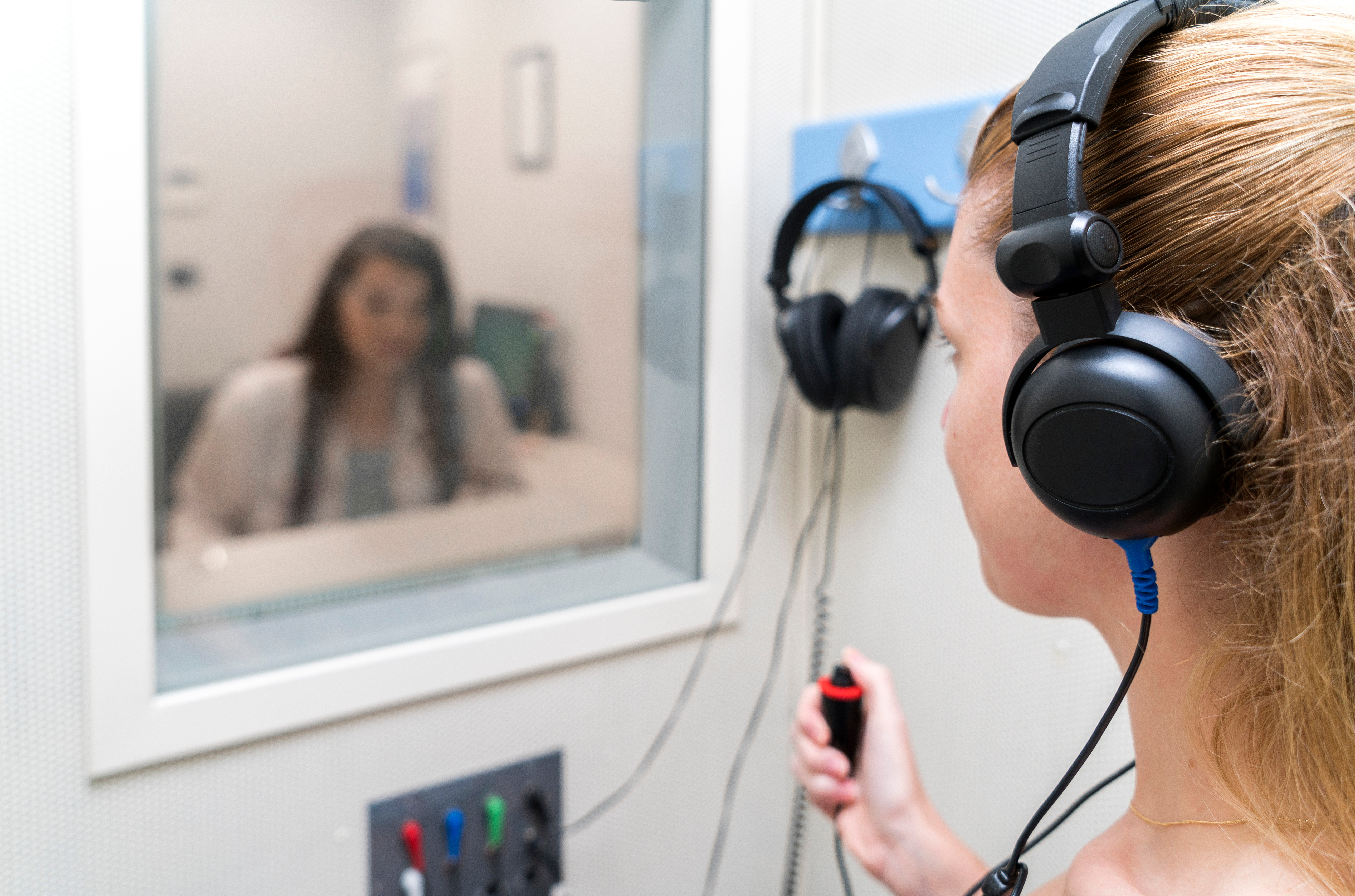
Audiologists assess, diagnose, treat, rehabilitate, and help prevent hearing, auditory processing, communication-related, and balance disorders. They provide hearing and balance assessments, recommend fit, and adjust hearing aids and other hearing-support technologies; they also support cochlear implant care, provide auditory rehabilitation and communication strategies, and advise patients, families, and communities on hearing health, hearing protection, and safe listening.
Where they work
You’ll find audiologists in hospitals, public health and infant hearing programs, private clinics, schools, rehabilitation, long-term care and community, universities, and research and industry settings.
How to identify them
In British Columbia, a person can only refer to themselves as an “audiologist” if they are licensed with CHCPBC. You can confirm the licensure status of any BC audiologist using our Public Registry.
Learn more
Find the audiologist’s scope of practice and restricted activities in the Health and Care Professionals Regulation.
What they do
Dietitians assess nutrition status and dietary needs, and they plan and evaluate nutrition interventions. They provide education to promote health and aid disease prevention and management, while incorporating medical history, culture, food access, preferences, and patient goals.
Where they work
You’ll find dietitians in hospitals, rehabilitation, primary care and community health, public health, long-term care and home care, private practice, food service and industry, education, research, and government and non-profit settings.
How to identify them
In British Columbia, a person can only refer to themselves as a “dietitian” if they are licensed with CHCPBC. You can confirm the licensure status of any BC dietitian using our Public Registry.
Learn more
Find the dietitian’s scope of practice and restricted activities in the Health and Care Professionals Regulation.
What they do
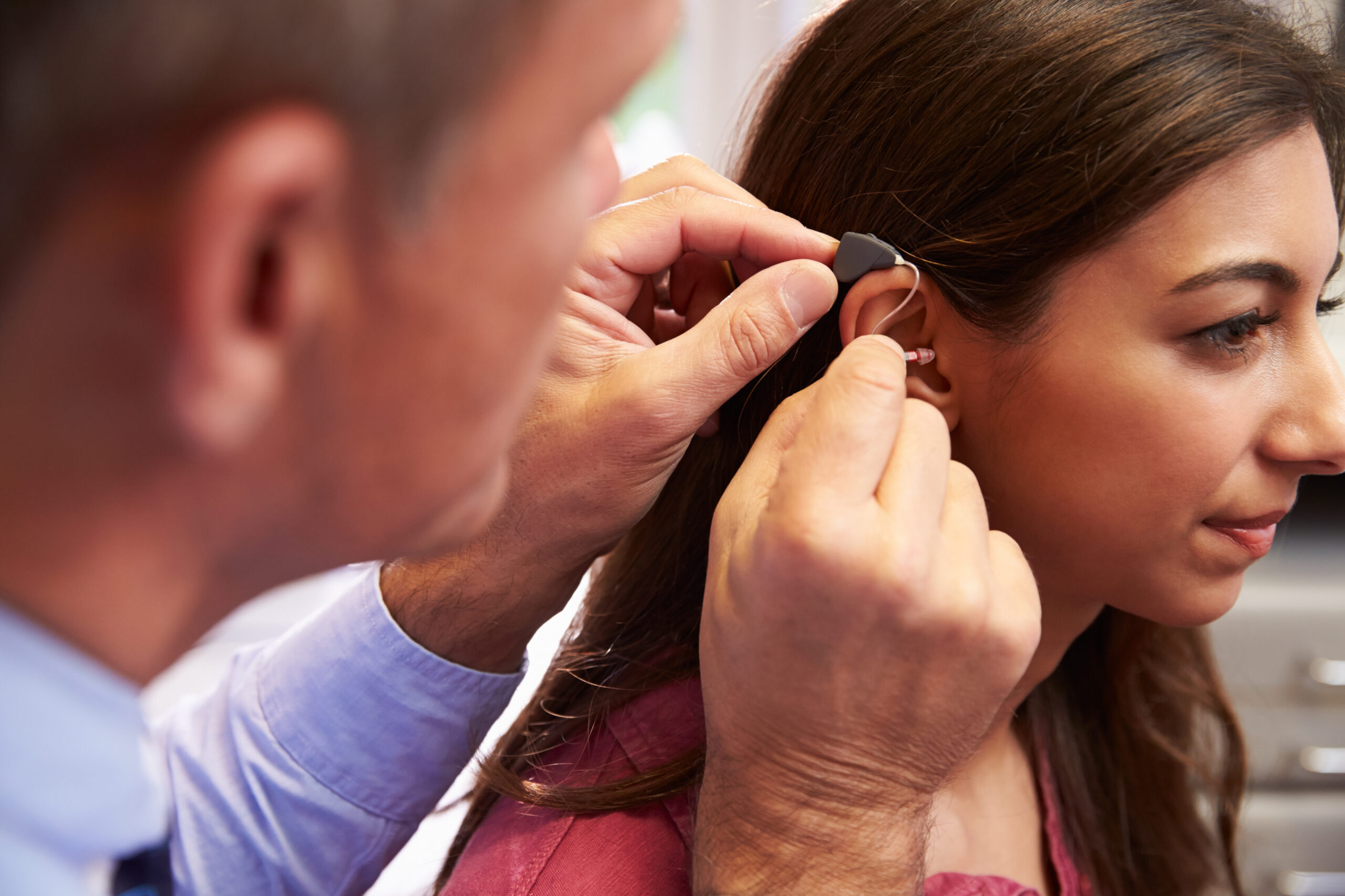
Hearing instrument practitioners help identify and manage hearing loss through hearing assessment, hearing aids, and other hearing-support technologies. They conduct hearing tests and recommend, select, fit, verify, dispense, and adjust hearing aids and other hearing-support technologies. They provide education about device use and care, communication strategies, hearing protection, and safe listening. They also provide ongoing follow-up, support, maintenance, and repair of hearing aids.
Where they work
You’ll find hearing instrument practitioners in independent and corporate hearing clinics, audiology or ENT (ear, nose, and throat) clinics, long-term care and retirement residences, community outreach, mobile service, and hearing aid service and retail settings.
How to identify them
In British Columbia, a person can only refer to themselves as a “hearing instrument practitioner” or “HIP” if they are licensed with CHCPBC. You can confirm the licensure status of any BC hearing instrument practitioner using our Public Registry.
Learn more
Find the hearing instrument practitioner’s scope of practice and restricted activities in the Health and Care Professionals Regulation.
What they do
Occupational therapists help people participate safely and meaningfully in everyday activities at home, at school, at work, and in the community. They assess physical, cognitive, psychosocial, cultural, and environmental factors that affect engagement in everyday activities. They provide intervention support to promote, maintain, and restore physical and mental health, and they recommend adaptive equipment and environmental modifications that help to reduce barriers to participation.
Where they work
You’ll find occupational therapists in hospitals, rehabilitation, mental health, primary care, home and community care, schools, child development centres, workplaces, long-term care, private practice, education, research, government, and insurance settings.
How to identify them
In British Columbia, a person can only refer to themselves as an “occupational therapist” or “OT” if they are licensed with CHCPBC. You can confirm the licensure status of any BC occupational therapist using our Public Registry.
Learn more
Find the occupational therapist’s scope of practice and restricted activities in the Health and Care Professionals Regulation.
What they do
Opticians promote and maintain visual acuity by advising on, dispensing, fitting, and verifying vision appliances. They interpret prescriptions, conduct sight tests, take measurements, and help patients select frames and lens treatments. Where authorized, opticians may provide the results of a sight test to a patient. They also assess suitability for contact lenses and low vision aids, adjust and repair eyewear, and educate patients on the safe and effective use of vision appliances.
Where they work
You’ll find opticians in independent optical stores, optical retail chains, optometry and ophthalmology clinics, contact lens fitting settings, low-vision clinics, and optical laboratories.
How to identify them
In British Columbia, a person can only refer to themselves as an “optician,” “optical dispenser,” or “contact lens fitter” if they are licensed with CHCPBC. You can confirm the licensure status of any BC optician using our Public Registry.
Learn more
Find the optician’s scope of practice and restricted activities in the Health and Care Professionals Regulation.
What they do
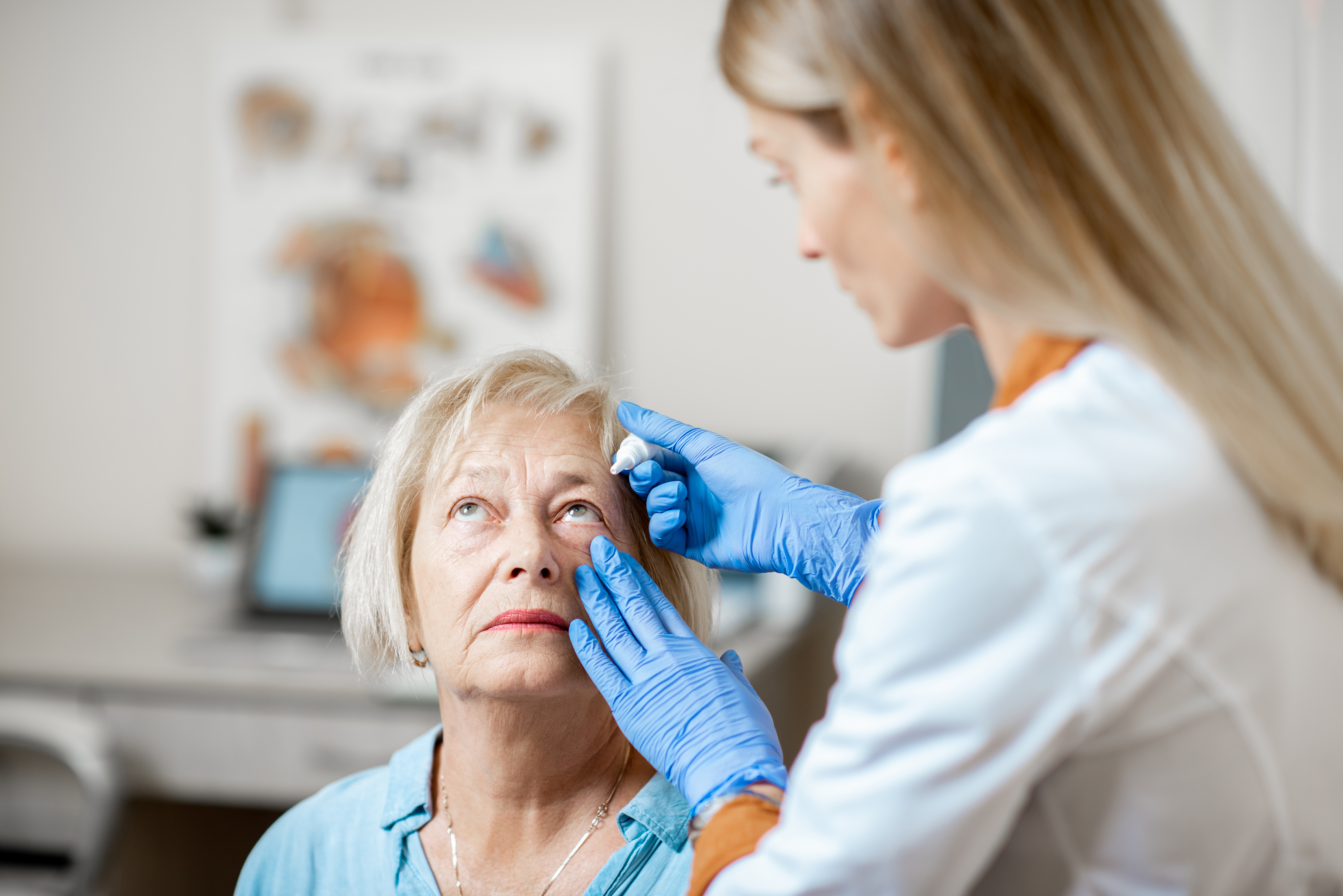
Optometrists assess the eyes and vision system; diagnose and manage needs with vision correction, eye movement, and eye health; and provide treatment, prevention, and referral when needed. They perform eye examinations, prescribe and dispense corrective lenses, and may prescribe medications to manage common eye conditions.
Where they work
You’ll find optometrists in independent and group optometry clinics, community and primary care, ophthalmology and surgical co-management, low-vision clinics, education, research, and public health settings.
How to identify them
In British Columbia, a person can only refer to themselves as an “optometrist” if they are licensed with CHCPBC. You can confirm the licensure status of any BC optometrist using our Public Registry.
Learn more
Find the optometrist’s scope of practice and restricted activities in the Health and Care Professionals Regulation.
What they do
Physical therapists assess and treat movement, function, pain, and physical impairments related to injury, illness, disability, and health conditions. They provide education and strategies to prevent, maintain, restore, or improve function; support recovery after surgery or injury; and promote safe physical activity and independence.
Where they work
You’ll find physical therapists in hospitals, rehabilitation, private clinics, primary care and community health, home care, long-term care, schools, workplaces, sports and recreation, research, education, government, and insurance settings.
How to identify them
In British Columbia, a person can only refer to themselves as a “physical therapist,” “physiotherapist,” or “PT” if they are licensed with CHCPBC. You can confirm the licensure status of any BC physical therapist using our Public Registry.
Learn more
Find the physical therapist’s scope of practice and restricted activities in the Health and Care Professionals Regulation.
What they do
Psychologists advise, assess, diagnose, treat, and help prevent mental conditions and disorders. They use a variety of assessment and intervention tools to enhance functioning and well-being, and they collaborate with health, education, legal, and workplace systems.
School psychologists provide psychology services as they relate to a patient’s ability to function within a learning environment.
Where they work
You’ll find psychologists in private practice, hospitals, primary care, community mental health, schools, government and corrections, workplaces, forensics and psycho-legal, research, and public health settings.
How to identify them
In British Columbia, a person can only refer to themselves as a “psychologist” or “school psychologist” if they are licensed with CHCPBC. You can confirm the licensure status of any BC psychologist using our Public Registry.
Learn more
Find the psychologist’s scope of practice and restricted activities in the Health and Care Professionals Regulation.
Psychotherapy will become a regulated profession in BC on November 29, 2027. Until that date, the practice of psychotherapy does not fall under CHCPBC’s regulatory mandate.
For updates, visit our Regulating psychotherapy page.
What they do
Speech-language pathologists assess, diagnose, treat, rehabilitate, and help prevent speech, language, communication, voice, fluency, cognitive-communication, feeding, and swallowing disorders. They provide direct support and education with communication, feeding, and swallowing.
Where they work
You’ll find speech-language pathologists in hospitals, schools, early intervention and child development, rehabilitation, long-term care, home and community care, private practice, specialized communication and swallowing clinics, education, research, and public health settings.
How to identify them
In British Columbia, a person can only refer to themselves as a “speech-language pathologist,” “speech therapist,” or “SLP” if they are licensed with CHCPBC. You can confirm the licensure status of any BC speech-language pathologist using our Public Registry.
Learn more
Find the speech-language pathologist’s scope of practice and restricted activities in the Health and Care Professionals Regulation.
Annual reporting and financials
Our annual reports and audited financial statements offer a deeper look into the work we do and the impacts of that work over the course of a year. CHCPBC’s reporting year runs from April 1 through March 31.
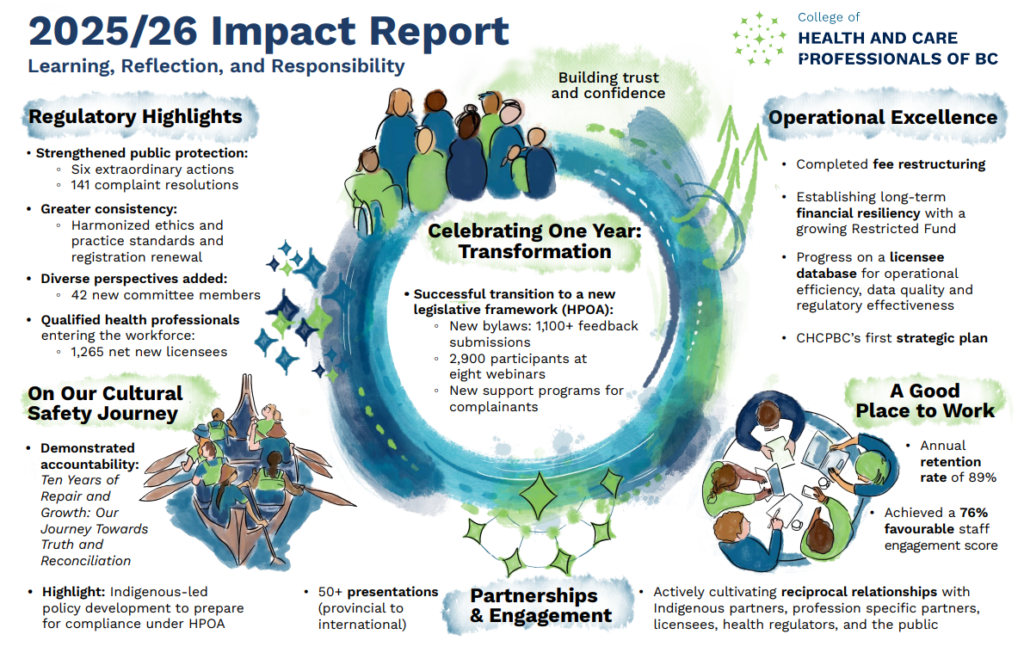
2025/26 Impact Report (PDF)